Designing High-Quality Stone Patios in Georgia: A Comprehensive Guide


Understanding the Basics of Stone Patio Design
Designing a high-quality stone patio requires a blend of creativity, technical skill, and an understanding of the unique characteristics of each type of stone. In Georgia, the climate and natural surroundings play a significant role in determining the best materials and design approaches. Whether you're aiming for a rustic charm or a modern aesthetic, selecting the right stone is crucial to achieving your desired look and functionality.
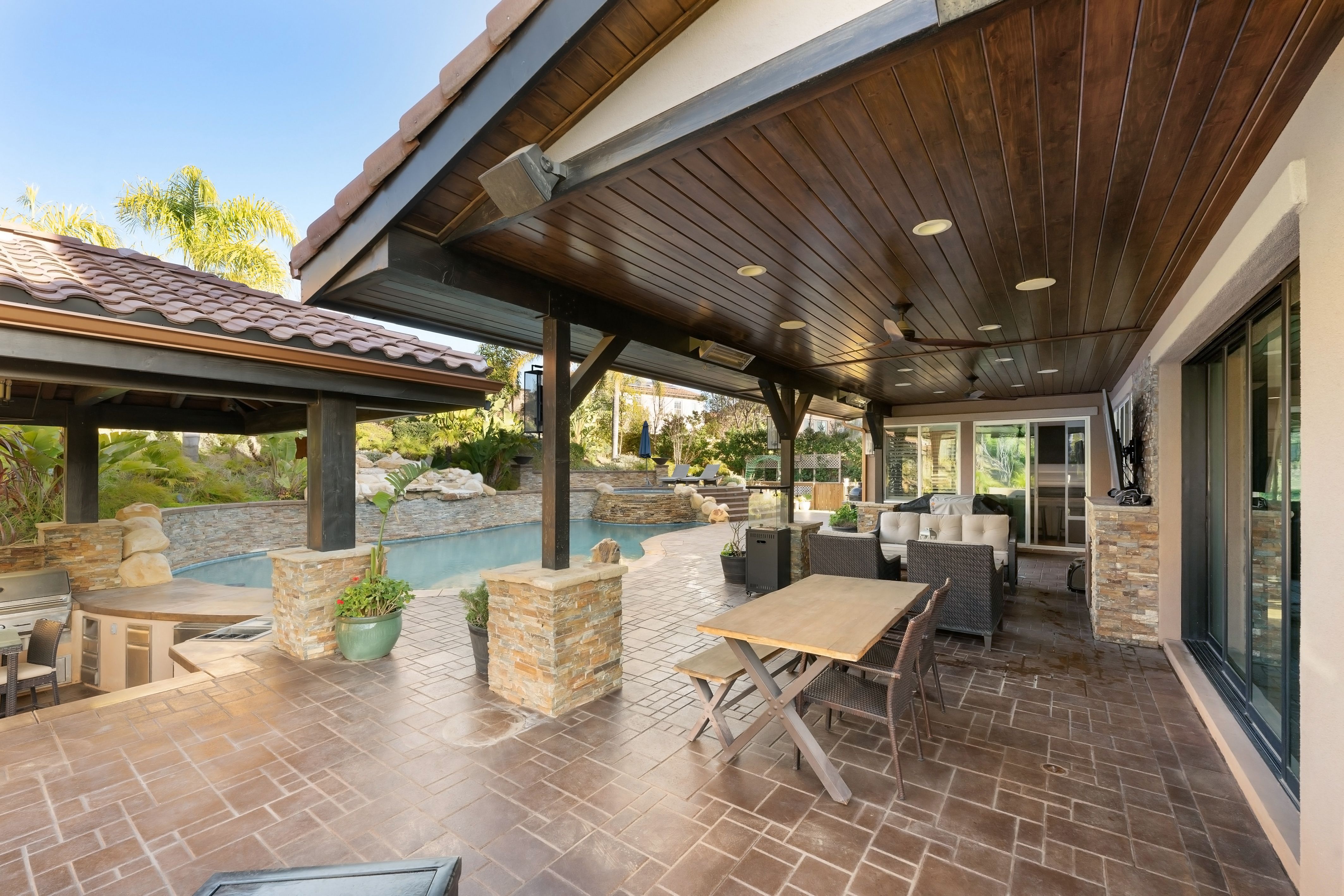
The first step in designing your stone patio is to choose a layout that complements your outdoor space and meets your lifestyle needs. Consider factors such as the size of your yard, existing landscape features, and how you plan to use the patio. A well-thought-out design will not only enhance the beauty of your home but also increase its value.
Choosing the Right Stone for Your Patio
When it comes to selecting stone for your patio, you have a variety of options. Popular choices include granite, limestone, sandstone, and slate. Each type of stone has unique properties that influence its durability, color, and texture. Granite is known for its toughness and resistance to weathering, making it an excellent choice for Georgia's variable climate.
Slate offers a more textured appearance, providing a natural slip resistance which is ideal for wet areas. Limestone and sandstone bring warmth with their subtle hues and are easier to cut and shape, allowing for more intricate designs. It's important to consider both aesthetic preferences and practical requirements when making your selection.

Considering Climate and Environmental Factors
Georgia's climate can be unpredictable, with hot summers and occasional frost in winter. These conditions should guide your choice of materials and construction techniques. Opt for stones that can withstand temperature fluctuations without cracking or fading. Additionally, consider incorporating drainage solutions into your design to prevent water accumulation that could damage the stone over time.
The Installation Process
The installation of a stone patio is a meticulous process that involves careful planning and execution. Begin with a solid foundation by clearing the area of debris and leveling the ground. A well-compacted base of gravel or sand is essential to support the stone and ensure longevity.
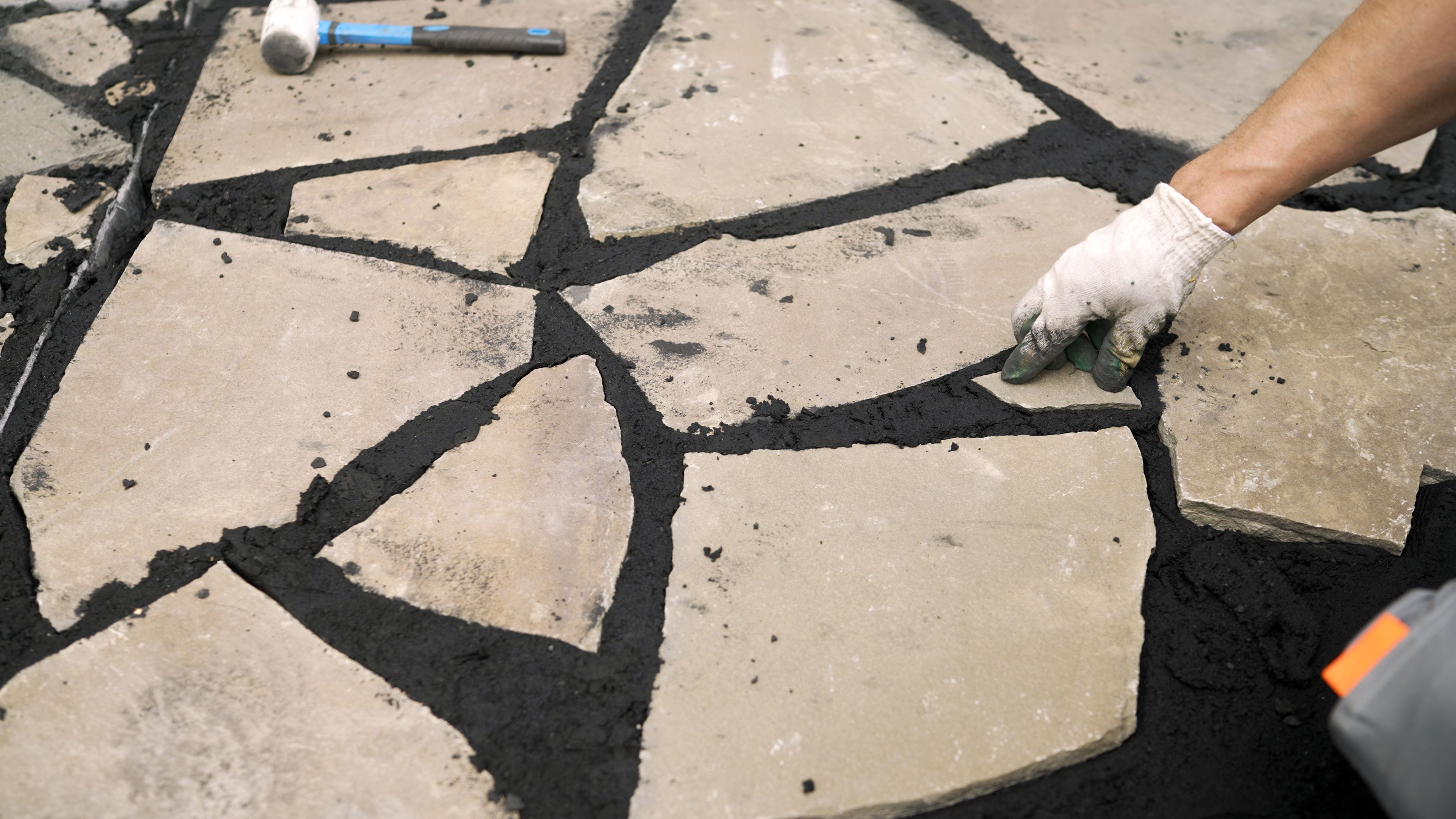
Laying the stones requires precision to achieve a seamless fit. It's advisable to work with an experienced contractor who understands the nuances of stone placement and can create a visually appealing pattern. Grouting or filling the joints with sand or mortar will secure the stones and enhance the patio's durability.
Maintenance Tips for Longevity
Once your stone patio is installed, regular maintenance will keep it looking pristine for years to come. Seal the stones periodically to protect them from stains and weather damage. Regularly sweep away leaves and debris to prevent moss and algae growth, which can make surfaces slippery.
During winter, avoid using harsh chemicals or metal tools for snow removal, as these can damage the stone surface. Instead, opt for plastic shovels and, if necessary, mild de-icing agents that are safe for stone.
Enhancing Your Stone Patio with Landscaping
A beautifully designed stone patio can be further enhanced with thoughtful landscaping. Incorporate native plants and flowers that thrive in Georgia's climate to add color and fragrance. Consider adding features such as fire pits, water fountains, or outdoor furniture to create a relaxing and inviting atmosphere.
Lighting is another key element that can transform your patio into an enchanting evening retreat. Use a mix of ambient and task lighting to highlight architectural features and ensure safety. With the right combination of design elements, your stone patio will become a cherished outdoor space for entertaining and relaxation.